How to Handle Constructive Criticism
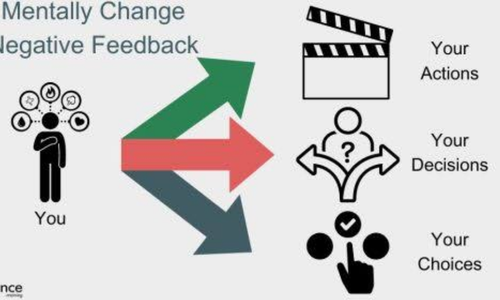
Receiving criticism at work can sometimes feel uncomfortable, especially when you have put significant effort into a task. However, constructive criticism can help you identify weaknesses, improve your performance, and develop professionally. Learning how to respond to feedback calmly and thoughtfully can turn difficult conversations into valuable learning opportunities.
1. Listen Without Interrupting
When someone gives you feedback, allow them to finish explaining their point. Avoid immediately defending yourself or preparing an argument.
Listening carefully can help you understand exactly what the person is trying to communicate.
2. Stay Calm
It is normal to feel disappointed or defensive when you hear criticism. Take a moment before responding, especially if the feedback is unexpected.
Keeping your emotions under control can help you have a more productive conversation.
3. Ask for Specific Examples
If the feedback is unclear, ask for examples. Instead of simply accepting a general statement such as “your communication needs improvement,” ask what you could have done differently.
Specific examples make feedback easier to understand and apply.
4. Separate Feedback From Personal Attacks
Constructive criticism should focus on behaviour, work, or results rather than your personal worth. Try to evaluate the information objectively.
Ask yourself whether there is something useful you can learn from the feedback.
5. Avoid Making Excuses
There may be valid reasons behind a mistake, but immediately giving excuses can prevent you from understanding the underlying issue.
First listen and understand the concern. You can then provide relevant context if it is genuinely important.
6. Thank the Person for the Feedback
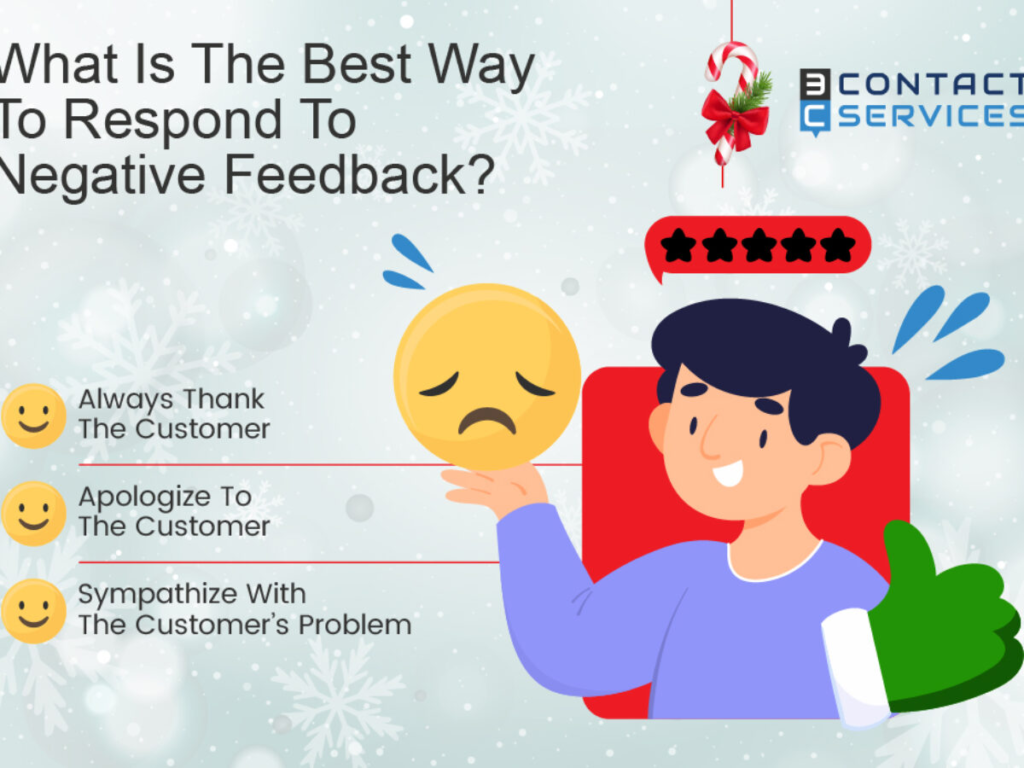
You do not have to agree with every piece of criticism to appreciate someone taking the time to provide useful feedback.
A simple professional response can keep the conversation positive.
7. Create an Improvement Plan
Once you understand the feedback, decide what you can do differently. Set a small goal or identify a specific behaviour you want to improve.
Turning feedback into action is more valuable than simply acknowledging it.
8. Ask for Follow-Up
If the feedback involves an important skill or ongoing issue, consider asking your manager or colleague to review your progress later.
Follow-up can help you understand whether your changes are producing better results.
9. Recognise What You Are Doing Well
Constructive criticism does not mean everything you do is wrong. Pay attention to positive feedback too and use your strengths while working on weaker areas.
A balanced view can help you improve without unnecessarily damaging your confidence.
10. Make Feedback a Habit
Do not wait for an annual performance review to discover how you are doing. When appropriate, ask trusted colleagues or managers for feedback on your work.
Regular feedback can help you identify opportunities for improvement earlier.
Final Thoughts
Constructive criticism can be a valuable part of professional growth. Listen carefully, stay calm, ask for specific examples, and focus on what you can learn. Instead of taking feedback as a personal attack, treat useful criticism as information that can help you improve. The goal is not to avoid mistakes completely, but to learn from them and become better at what you do.