
How to Build a Career That Keeps You Valuable in the Future
The workplace is constantly changing. New technologies, changing industries, and evolving employer expectations can affect the skills people need to succeed. Building a future-ready career does not mean predicting exactly what will happen. It means developing useful skills, staying adaptable, and continuing to learn throughout your professional life.
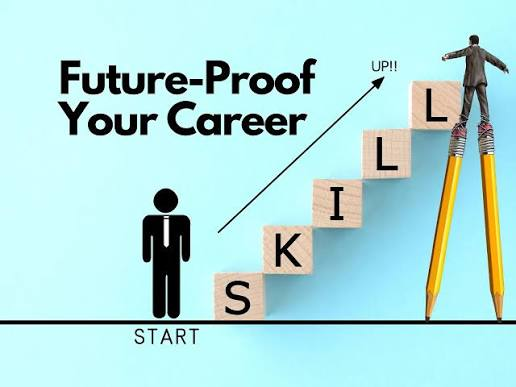

1. Keep Learning
Learning should not stop after you get a job. Look for opportunities to improve your knowledge through courses, workshops, books, practical projects, or workplace training.
Regular learning can help you stay prepared for changes in your industry.
2. Develop Transferable Skills
Technical skills are important, but transferable skills can remain useful across different jobs. Communication, problem-solving, teamwork, critical thinking, leadership, and time management can support your career even when your role changes.
3. Stay Comfortable With Technology
Technology is becoming part of almost every profession. You do not need to become a technology expert, but understanding the tools commonly used in your industry can make you more effective.
Stay curious about new software, digital tools, and emerging technologies that relate to your work.
4. Build Adaptability
Career paths rarely develop exactly as planned. Companies change, roles evolve, and new opportunities appear unexpectedly.
Developing the ability to adjust your approach can make it easier to handle professional changes.
5. Understand Your Industry
Pay attention to what is happening in your field. Follow industry news, learn about emerging trends, and understand which skills employers are increasingly looking for.
This can help you identify opportunities before you need them.
6. Build a Strong Professional Network
Your professional network can provide knowledge, opportunities, and different perspectives. Maintain genuine relationships with coworkers, mentors, industry professionals, and other people in your field.
A strong network can be valuable when your career direction changes.
7. Take on New Challenges
Do not always choose the easiest tasks. When appropriate, volunteer for projects that allow you to learn something new or take on additional responsibility.
Practical experience can strengthen both your skills and confidence.
8. Review Your Career Regularly
Every few months, consider whether your current skills and experience still match your career goals. Identify areas where you need to improve and create new development goals.
Regular reviews can help you avoid becoming stuck in one direction.
Final Thoughts
Building a future-ready career is about staying useful, adaptable, and willing to learn. Develop transferable skills, understand technology, follow changes in your industry, build professional relationships, and take on opportunities that expand your experience. You cannot predict every change in the workplace, but you can prepare yourself to respond when change arrives.