
How to Develop Skills for Long-Term Career Success
Building a successful career requires more than completing your current responsibilities. Industries change, technology develops, and employers’ expectations evolve over time. Continuously developing useful skills can help you stay adaptable, take on new opportunities, and remain competitive throughout your career.
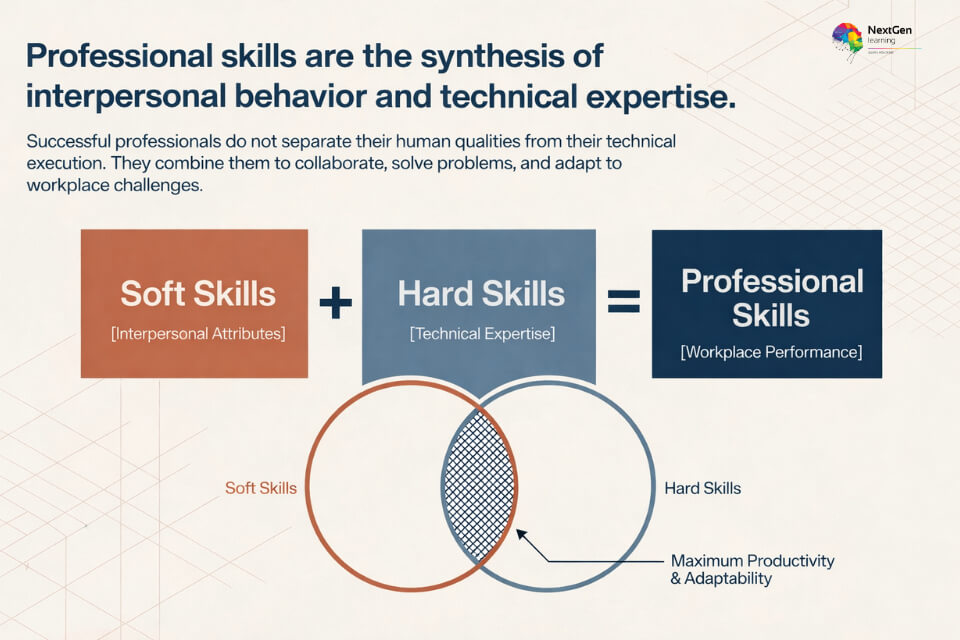
1. Identify Skills That Matter
Start by understanding which skills are valuable in your current industry and the roles you may want in the future. Review job descriptions, industry trends, and requirements for positions that interest you.
Focus on skills that support your career direction rather than trying to learn everything at once.
2. Strengthen Your Core Skills
Every profession has essential skills that form the foundation of good performance. These might include communication, organisation, problem-solving, technical knowledge, customer service, or project management.
Improving these fundamentals can benefit you across multiple roles.
3. Develop Digital Skills
Technology affects almost every industry. Depending on your career, useful digital skills may include data analysis, productivity software, online collaboration, digital communication, or specialised professional tools.
Stay aware of the technology commonly used in your field.
4. Learn Through Practical Experience
Courses and books can provide useful knowledge, but practical experience helps you understand how to apply it. Volunteer for projects, take on new responsibilities, or practise skills through personal projects.
Real-world application can make new knowledge more valuable.
5. Ask for Feedback
Feedback can reveal areas that you may not notice yourself. Ask trusted managers, coworkers, or mentors for specific suggestions about how you can improve.
Use useful feedback to create clear development goals.
6. Learn From Experienced Professionals
A mentor or experienced colleague can provide practical advice based on their own career experience. Observe how successful professionals communicate, solve problems, and make decisions.
You can learn valuable lessons by asking thoughtful questions.
7. Build Transferable Skills
Some abilities remain valuable even when you change roles or industries. Communication, critical thinking, teamwork, leadership, adaptability, and time management are examples of transferable skills.
Developing these skills can give you greater career flexibility.
8. Create Learning Goals
Instead of saying, “I want to improve my skills,” choose specific learning objectives. You might aim to complete a course, practise a particular tool, earn a certification, or apply a new skill to a work project.
Set realistic deadlines to maintain progress.
9. Stay Curious
Successful professionals often remain open to learning. Follow developments in your industry, read useful resources, attend relevant events, and explore new ideas.
Curiosity can help you adapt when your profession changes.
10. Review Your Skills Regularly
Your development needs will change over time. Every few months, review your skills and compare them with your career goals.
Identify what you have improved and what you should focus on next.
Final Thoughts
Long-term career success depends partly on your willingness to keep developing. Identify valuable skills, strengthen your professional foundations, gain practical experience, seek feedback, and stay aware of changes in your industry. You do not need to learn everything at once. Consistent improvement over time can help you remain adaptable and prepared for future opportunities.
